

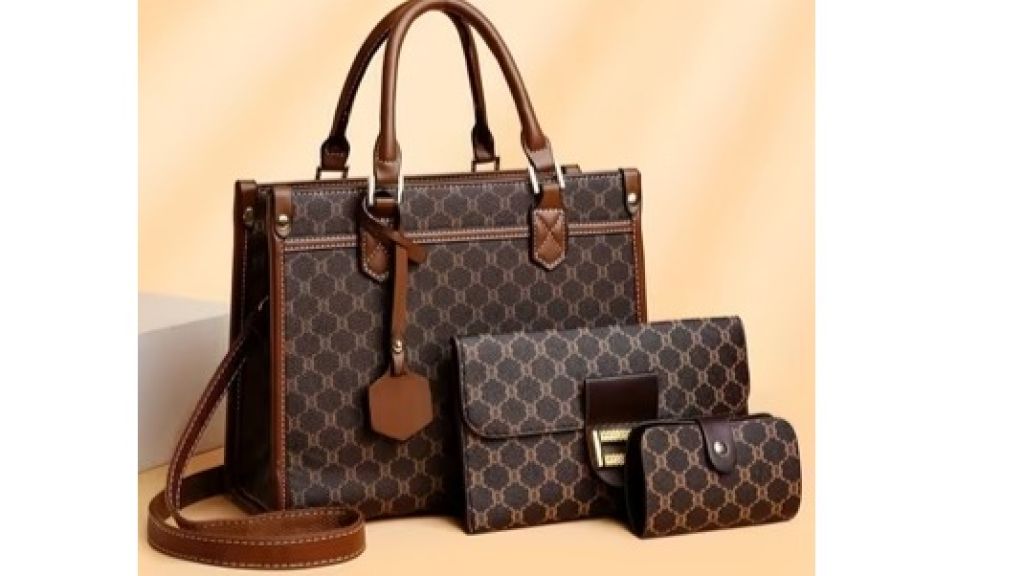
This Bag Was Made in Africa — And It Looks Like It Costs £250
Show most people a well-made leather bag and ask them where it was made. The guesses tend to cluster around the same places: Italy, France, maybe England. Somewhere European. Somewhere with a long history of luxury manufacturing. Africa, in most people's mental models, does not enter the conversation.
That assumption is wrong, and it is worth examining exactly why.
The Perception Gap
There is a deeply embedded assumption in global consumer culture that quality comes from certain places and not others. European-made means luxury. Asian-made means affordable. African-made means... the assumption often does not go further than that.
This perception is not based on reality. It is based on the history of which manufacturers have had the infrastructure, the marketing, and the global distribution to put their products in front of international audiences. African manufacturers have largely been absent from that global stage — not because their products are inferior, but because the systems to distribute and showcase those products globally have not existed at scale.
What African Manufacturing Actually Looks Like
Across the continent, there are artisans and manufacturers working with leather, textiles, wood, metal, and other materials at levels of craftsmanship that would surprise most consumers who hold those assumptions. The stitching is precise. The materials are high quality. The attention to detail is evident.
These products are not cheaper because they are lower quality. In many cases, they are more affordable than comparable European or American products because labour costs in Africa are lower — the same reason that much of the world's manufacturing shifted to China. The difference is that China built the distribution and visibility infrastructure to connect its manufacturers with global buyers. Africa largely has not, yet.
Changing the Narrative Requires Showing the Work
Changing deeply embedded consumer perceptions requires showing, not telling. When someone holds an African-made bag, examines the stitching, tests the hardware, and feels the leather — and then learns it was made in Africa — the assumption shifts. Not through an argument, but through direct experience.
This is why product storytelling, content creation, and platforms that showcase African-made goods are so important. Platforms like Zutafa are specifically focused on making African-made products discoverable and presenting them in a way that allows their quality to speak for itself.
African-made is not the future. In many product categories, it is already here, already excellent, and already waiting for the visibility it deserves.

Comments