

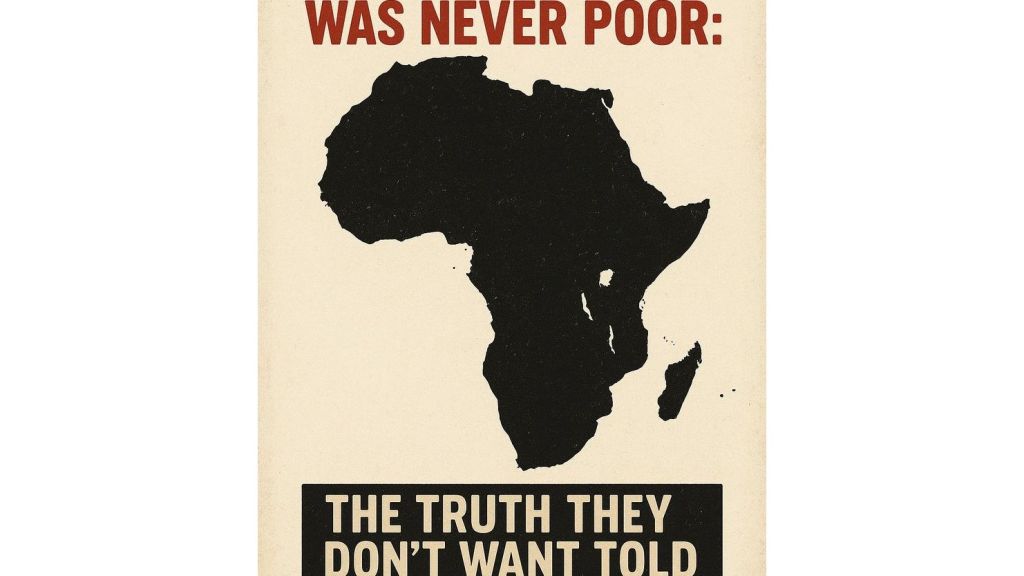
The dominant global narrative about Africa is poverty. Images of aid campaigns. Statistics about GDP per capita. Headlines about instability. This narrative is not entirely false — the continent faces real and serious economic challenges that should not be minimised.
But the narrative is catastrophically incomplete. And its incompleteness has real consequences.
What the Narrative Misses
Africa is home to an extraordinary concentration of human talent, natural resources, creative energy, and entrepreneurial drive. Walk through any major African city and you will find factories producing goods, workshops creating products, designers building brands, technologists building software, and entrepreneurs solving problems with the kind of ingenuity that comes from having to do more with less.
All of this is happening largely outside the frame of the global poverty narrative. The business creator in Kampala who has built a furniture workshop employing fifteen people is not in the narrative. The fashion designer in Dakar whose clothes are reaching buyers across West Africa is not in the narrative. The manufacturer in Kano producing goods that compete in quality with imported alternatives is not in the narrative.
What the world mostly sees is poverty. What it is mostly missing is progress.
The Problem Is Visibility, Not Capacity
Africa does not lack talent. It does not lack resources. It does not lack creativity. It does not lack ambition. What it lacks, in many critical areas, is the infrastructure of visibility — the systems that would allow African talent and African products to be seen and valued at the global scale they deserve.
Across the continent, talented people are making shoes, furniture, fashion, food, technology, and art that is powerful enough to compete globally. The gap is not quality. The gap is exposure, support, and the belief — from investors, from consumers, from institutions — that African output deserves the same valuation as output from other parts of the world.
What Changes When the Narrative Changes
When the global narrative about Africa shifts — from poverty to undervalued potential — investment follows. Consumer behaviour changes. Young Africans see themselves differently. Entrepreneurs get access to capital they previously could not access. Manufacturers get the visibility that allows them to reach buyers who would choose their products if only they knew those products existed.
Platforms like Zutafa are specifically trying to shift this narrative by spotlighting African creators, manufacturers, and businesses — not as charity cases, but as the extraordinary economic actors they already are.
Africa does not need pity. It needs opportunity. And increasingly, it is building that opportunity for itself.

Comments